Before the British Museum was founded, there was Sir Hans Sloane — a physician, scientist, and collector who amassed over 70,000 artefacts during his lifetime. From Egyptian mummies and pressed plants to Roman coins and rare books, his collection was vast, strange, and sometimes baffling.
But what truly set it apart wasn’t just the size or the variety — it was the catalogue.
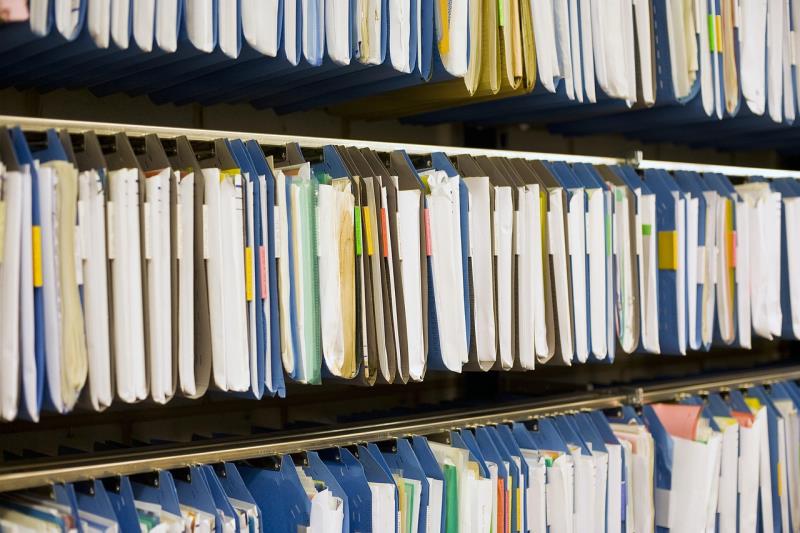
Sloane didn’t just hoard objects. He documented them. In painstaking detail, he recorded where items came from, what they were made of, who gave them to him, and how they were stored. His catalogues turned an eccentric personal collection into a coherent, usable archive. Without it, the British Museum — which grew out of his estate — might never have taken shape.
There’s a lesson here for schools.
Many schools have hundreds, even thousands, of IT assets: laptops, desktops, visualisers, switches, wireless access points, tablets, software licences, cloud subscriptions. But in the absence of a proper asset register, it can all become a digital attic — disorganised, unreliable, and full of costly surprises.
A good IT asset register isn’t just about knowing what you have. It’s about:
This isn’t just good housekeeping - it’s part of a strategic approach to technology that aligns with EdFITS, the DfE digital standards, and the expectations laid out in Keeping Children Safe in Education.
Hans Sloane’s catalogues turned chaos into clarity - and so can yours. Because in the end, it’s not just about what you have, but what you know about what you have. That’s what turns equipment into a strategy.




.jpg&maxWidth=800)